If your boiler pressure keeps dropping, it can be frustrating, especially when radiators turn cold just when you need them. Understanding what the gauge is telling you and what to check first can help you stay safe and avoid bigger repair bills.
Boiler pressure explained and common symptoms
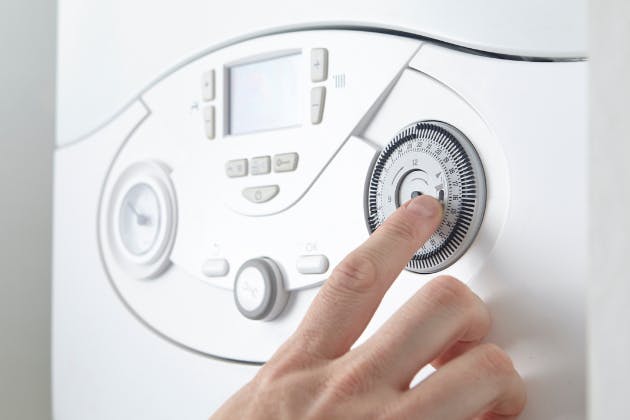
Most modern combi and system boilers use water pressure to move hot water around your radiators. The pressure is shown on a small gauge on the front of the boiler, usually marked in bars.
As a general guide, many boilers sit around 1.0 to 1.5 bar when cold and may rise a little when hot. Your boiler manual will give the correct range for your model, and you should always follow that above anything you read online.
When the pressure drops too low, you may notice symptoms such as:
Radiators not heating up properly or staying lukewarm
Boiler cutting out or going into lockout with a fault code
Needing to repeatedly top up the pressure
Gurgling noises or air in the radiators
If the boiler is showing a very low reading or flashing a low-pressure error, do not ignore it. Running with poor pressure can damage components and make faults worse.
Main reasons a boiler keeps losing pressure
There are several possible causes when boiler pressure will not stay put. Some are simple issues, others need a Gas Safe registered engineer to put right.
Small leaks on radiators, valves or pipework
One of the most common reasons for a gradual pressure drop is a small water leak somewhere in the heating system. It might be so slight that you only see faint staining or a green/white crust around a joint.
Check around radiator valves, pipe joints and under exposed pipework. In carpeted areas, you may notice a slight dark patch or a warped skirting board rather than obvious drips.
Pressure relief valve letting water out
Your boiler has a safety device called a pressure relief valve (PRV). If the pressure gets too high, this valve releases water to protect the system.
If the PRV is faulty or has been triggered, it can continue to seep water. The discharge pipe usually runs from the boiler to outside and often ends pointing at a wall or down towards the ground.
Faulty expansion vessel
The expansion vessel absorbs the natural expansion of water when it heats up. If the vessel loses its air charge or fails, pressure can swing between very high and very low.
In practice, you might see the gauge climb close to the red when the heating is on, then drop right down to nearly zero when it cools. This issue needs a professional to diagnose and recharge or replace the vessel.
Recently bled radiators
Bleeding radiators releases trapped air, which is useful, but it also releases pressure. If radiators have been bled recently without topping the system back up, the boiler may now be below its normal range.
This is often a simple fix if you are comfortable using the filling loop and follow the manufacturer instructions carefully.
Filling loop left slightly open
The filling loop is the small flexible hose or built-in valve assembly that lets you add mains water to the system. If it has been left slightly open, it can cause pressure to fluctuate or rise too high, triggering the PRV.
Over time, repeated high pressure and discharge through the PRV can then lead to ongoing pressure loss. The filling loop should be firmly closed on both valves when not in use.
Internal leak inside the boiler
Sometimes the leak is not on radiators or visible pipework but inside the boiler casing. Components such as the heat exchanger, pump or joints can develop leaks.
Water can drip onto internal parts or run out through the condensate pipe. You should not remove the boiler case yourself unless the manufacturer clearly states it is a user-removable panel. Internal checks are a job for a Gas Safe engineer.
Safe checks you can carry out at home
There are a few visual checks and simple steps most homeowners can do safely. If you are ever unsure, stop and speak to a professional rather than guessing.
Quick homeowner checklist
Check the pressure gauge against the range in your boiler manual
Look for any visible damp patches or staining on radiators and pipework
Inspect the PRV discharge pipe outside for signs of recent dripping
Top up the pressure via the filling loop if your manual confirms you can
Recheck the gauge over the next 24 to 48 hours
Looking for leaks and staining
Walk around your home and check each radiator, especially around the valve connections and any joints. Look for dried water marks, rust patches, green or white scale, or flaking paint.
Also look underneath the boiler and along accessible pipe runs. In Dorset coastal areas and other hard-water regions, limescale build-up can make small leaks more likely at joints and valves.
Checking the PRV discharge pipe
Find the small copper or plastic pipe that exits from the boiler to outside. This is often your PRV discharge pipe. Without touching it, see if there are water marks on the wall, staining, or a constant drip.
Any sign of regular discharge from this pipe suggests the boiler has been hitting high pressure or the PRV is not sealing properly. You will need an engineer to fix the underlying issue.
Topping up via the filling loop
If your boiler manual confirms you are allowed to top up the pressure, you can usually do this using the filling loop. This may be a silver flexible hose with two taps, or integrated plastic levers underneath the boiler.
Open the valves slowly until the gauge rises to the recommended cold pressure, then close both valves firmly. Do not overfill, and never leave the filling loop connected or open. After topping up, bleed any radiators that were cold at the top if required, then check the pressure again.
Make a note of the reading and check it again after 24 to 48 hours. If it keeps dropping back down, there is likely a leak or component fault that needs professional attention.
Red flags that need a Gas Safe engineer
Some situations are not suitable for DIY and should be dealt with by a qualified Gas Safe registered engineer as soon as possible.
Pressure dropping again and again
If you are having to top up the boiler more than once every few months, something is wrong. Constantly adding fresh water can bring more oxygen and minerals into the system, which increases corrosion and sludge.
Repeated pressure loss over days or weeks is a clear sign of a leak or failing component. At this point, it is more cost effective and safer to have the system properly checked.
Water near electrics or inside the boiler
Any sign of water near electrical components, the boiler casing, controls or wiring is an urgent issue. Do not attempt to open the boiler or dry it out yourself.
Turn the boiler off and call a professional. Water and electrics are a dangerous mix and can also damage expensive parts if left unresolved.
Gas smell or signs of combustion problems
If you smell gas, suspect fumes, or see scorch marks or soot, turn the boiler off, ventilate the area and follow the gas emergency procedures straight away. Do not try to relight or reset the boiler.
Only a Gas Safe engineer is legally allowed to work on the gas components of your boiler. Safety must always come first.
Persistent error codes and lockouts
If fault codes keep returning after you top up the pressure or reset the boiler, do not keep trying to restart it. A boiler that repeatedly locks out is protecting itself from a fault.
Make a note of the error code and how often it appears, then report this to your engineer. This information can help speed up diagnosis and repair.
Short FAQ on low boiler pressure
Is it normal for boiler pressure to change during the day?
Yes, a small rise when the heating is on and a drop when it cools is normal. What is not normal is the gauge regularly hitting the red, or falling close to zero.
How often should I need to top up my boiler?
In a healthy, sealed system, you might not need to top up at all for many months. Topping up several times a year, or worse still every week, suggests a problem that needs looking at.
Can hard water in Dorset, Poole and Bournemouth affect boiler pressure?
Hard water can contribute to limescale build-up inside components such as the heat exchanger and valves. Over time this can affect how safely the system deals with expansion and pressure.
Regular boiler servicing helps catch these issues early, which is particularly helpful in coastal and hard-water areas like much of Dorset.
Need help with a boiler losing pressure in Dorset?
If your boiler pressure keeps dropping or you have spotted any of the red flags above, it is safer to get it checked by a professional. A trained Gas Safe engineer can find the cause, from small leaks and faulty PRVs to expansion vessel problems or internal boiler faults.
Gold BoilerCare Ltd provides expert boiler repairs across Dorset. To book a visit or ask for advice, call Gold BoilerCare Ltd on 01202944416 and our team will be happy to help keep your heating safe and reliable.