When you switch your heating on, you expect your radiators to warm up evenly. So when the top feels hot but the bottom stays noticeably cooler, it can be frustrating and confusing. The good news is that this is a very common issue, usually caused by something simple inside the heating system. Understanding the most likely reasons can help you decide what you can safely check yourself and when it is best to call a professional.
What Causes Radiators To Be Cold at the Bottom?
When the bottom of a radiator does not heat properly, it usually means hot water is not flowing through the panel as it should. Several different factors can lead to this, and most can be resolved with the right guidance or a visit from an engineer.
Sludge and Sediment Build Up Over Time
Over the years, tiny particles of rust and dirt naturally move through the heating system. These settle at the bottom of radiators, creating a layer that restricts the flow of hot water. This leads to uneven heating, where the top feels warm but the bottom remains cool.
An experienced engineer can assess whether build up is affecting your radiators and advise on the safest next steps.
Reduced Water Circulation
If the water in your heating system is not moving freely, heat cannot reach every part of the radiator. Poor circulation can happen when a pump is ageing, struggling or incorrectly set. It can also be caused by an unbalanced system where some radiators draw more flow than others.
Skilled heating engineers in Bournemouth and Poole can check the pump and ensure water is circulating as it should, helping restore even heat throughout your home.
Stuck or Partially Closed Valves
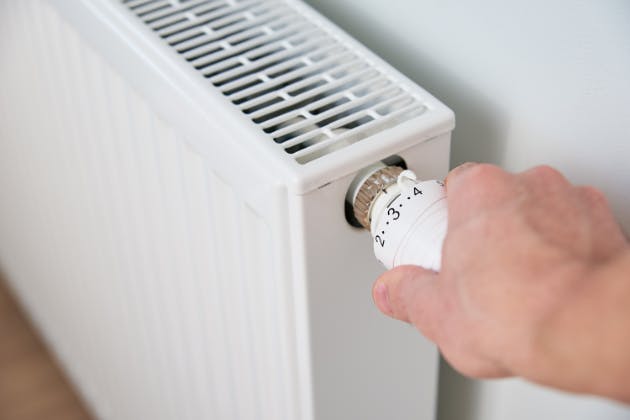
Radiator valves, can occasionally stick or fail to open fully. When this happens, the radiator may only warm at the top or around the edges. Homeowners can gently check that both valves are open, but anything that feels seized or stiff is best left to a professional to avoid damaging the valve.
Trapped Air Affecting Heat Movement
Although trapped air typically causes the top of a radiator to feel cold, it can still contribute to inconsistent heat across the panel. Bleeding the radiator can often resolve this, but it is important to stop immediately if water sprays or the valve feels damaged.
Simple Checks You Can Safely Try at Home
Before calling an engineer, there are a few easy checks that may help improve the radiator’s performance:
- Bleed radiators if the top feels cooler than the bottom
- Make sure both radiator valves are fully open
- Check that your boiler pressure is within the correct range
- Listen for unusual pump noises or signs that water is not moving properly
If the radiator still doesn’t heat evenly after these steps, the issue is likely deeper inside the system and needs professional attention.
When To Contact a Professional
Cold patches at the bottom of a radiator can point to issues that require a trained engineer to investigate fully. Persistent cool spots or repeated problems should not be ignored, as they may lead to increased energy use or reduced system efficiency.
A professional assessment ensures the system is safe, efficient and working properly.
Need Help With Cold Radiators in Bournemouth or Poole?
Gold BoilerCare offers expert boiler repairs across Bournemouth and Poole. If your radiators are staying cold or your heating system is not performing as it should, call us or complete our contact form to book an engineer visit today.